Is Cannabis Helping or Harming My PTSD? A Personal Checklist**
(Subtitle: Cutting Through the Fog to Find Your Own Answer)
Author's Note: _This post is adapted from academic work exploring the complex role of cannabis in PTSD management. It is for informational reflection only and is not medical advice._
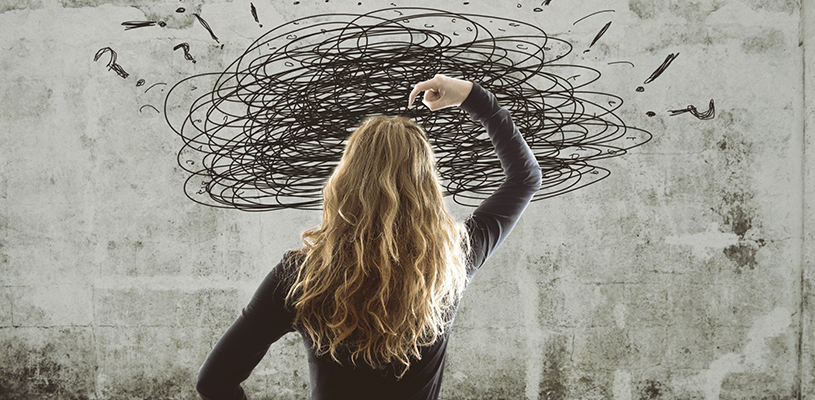
You’re using cannabis to cope with traumatic stress. Maybe it helps quiet the nightmares, dials down the anxiety, or creates a moment of peace in a storm of thoughts. But lately, a quiet question has been creeping in: _Is this still helping me, or is it starting to hurt?_
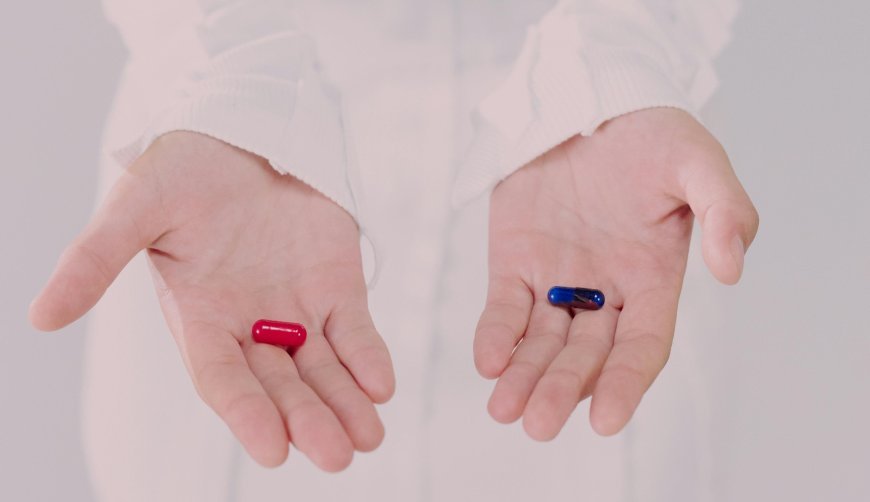
It’s a brave question to ask. In a world of polarized opinions—where cannabis is either a miracle plant or a dangerous drug—your own, personal truth can get lost. The reality for trauma survivors is almost always in the messy, complicated middle.
The science reflects this complexity. For some, cannabis offers real short-term relief. For others, long-term or frequent use can lead to a buildup of compounds in your system, potentially resulting in a different kind of fog: lethargy, brain fog, sleep disruptions, mood swings, or increased dissociation. The very benefits you seek can diminish as tolerance grows, trapping you in a cycle of using more to feel less.
So, how do you find your own answer? You move past the noise and get honest with yourself. The most important assessment doesn't happen in a doctor's office; it happens in the quiet of your own mind.
Below is a personal checklist. It’s not a test you pass or fail. It’s a tool for clear-eyed reflection. Find a quiet moment, and consider these questions not as judgments, but as maps to your own experience.
Your Self-Reflection Checklist
The Relief vs. The Cost:
- Does cannabis _consistently_ alleviate your target symptoms (like pain, panic, or insomnia)?
- Has its use prevented you from needing riskier treatments or behaviors?
- How does your use impact your daily life—your motivation, your relationships, your ability to feel present?
The Pattern:
- What does your use actually look like? Is it weekly, daily, multiple times a day? Are you using small, intentional doses, or are you using until you're numbed out?
- Project forward one year. If you continue on this exact same path, do you see your mental health and life improving, staying the same, or getting worse?
The Risks & The Ripple Effect:
- Does using cannabis ever lead you to make poor decisions—like driving impaired, neglecting key responsibilities, or spending money you don't have?
- Are there clear negative effects on your health, your mood, or your connections with loved ones?
- The Core Question: Weighing everything—the good and the bad—do you feel that your current relationship with cannabis is a net positive for your healing journey? Would a intentional break be valuable information?
---
Sitting with your answers can be challenging, but it’s an act of profound self-care. You are the expert on your own nervous system. This process isn't about labeling your use "good" or "bad." It's about asking whether it's still _serving you_.
You might find that cannabis remains a useful tool, but that your pattern needs a slight adjustment. You might realize a tolerance break is essential to reset your system and regain clarity. Or, you might identify that the costs now outweigh the benefits, signaling it's time to explore other paths to stability.
Whatever you discover, it’s data. It’s power. It’s the first step out of autopilot and back into choice.
> If you're looking for a more clinical perspective on risk factors, support strategies, and what the research really says, continue to Part 2: Supporting Someone with PTSD and Cannabis Use.



Comments (0)