
This article is a repost from Nappy Thoughts, written by Aisha Adams. 
Community, Creative, Social Justice | 0 comments

Written by AishaAdams
You stand at the door of Ingles on N. Broad Street in Brevard, exact change in hand, hoping they’ll honor the 7:00 am opening time scribbled on the pink poster. A man walks out, arms heavy with ice, sharing your burden: no electricity. You exhale. Finally, you’ll be able to flush the toilet, brush your teeth.
“We can’t sell you anything,” the manager says, firm and detached, avoiding your eyes. “Our system is down.”
The storm was only a prelude; its aftermath is the real crisis. You imagine the worst—looting, families fighting to endure. The few businesses still open are cash-only; ATM machines are offline. Many stores have closed indefinitely. You glance at the kids—they haven’t said much, but they’re sponges, absorbing everything you do and say. Your job now is to provide them with stability, even though there’s none to be found. You’re overwhelmed, but you can’t let that show.
Leaving the store empty-handed, you try to convince your husband it’s time to leave before things get worse. Maybe you can stay with his aunt or your mom. You need a safe place to wait until order is restored. He is quiet—he’s lived here 51 years. This is his home. But as soon as the sun comes up, revealing the full extent of the damage, he can see for himself.
“Power lines hang like Christmas garland,” your new daughter says, her voice shaking.
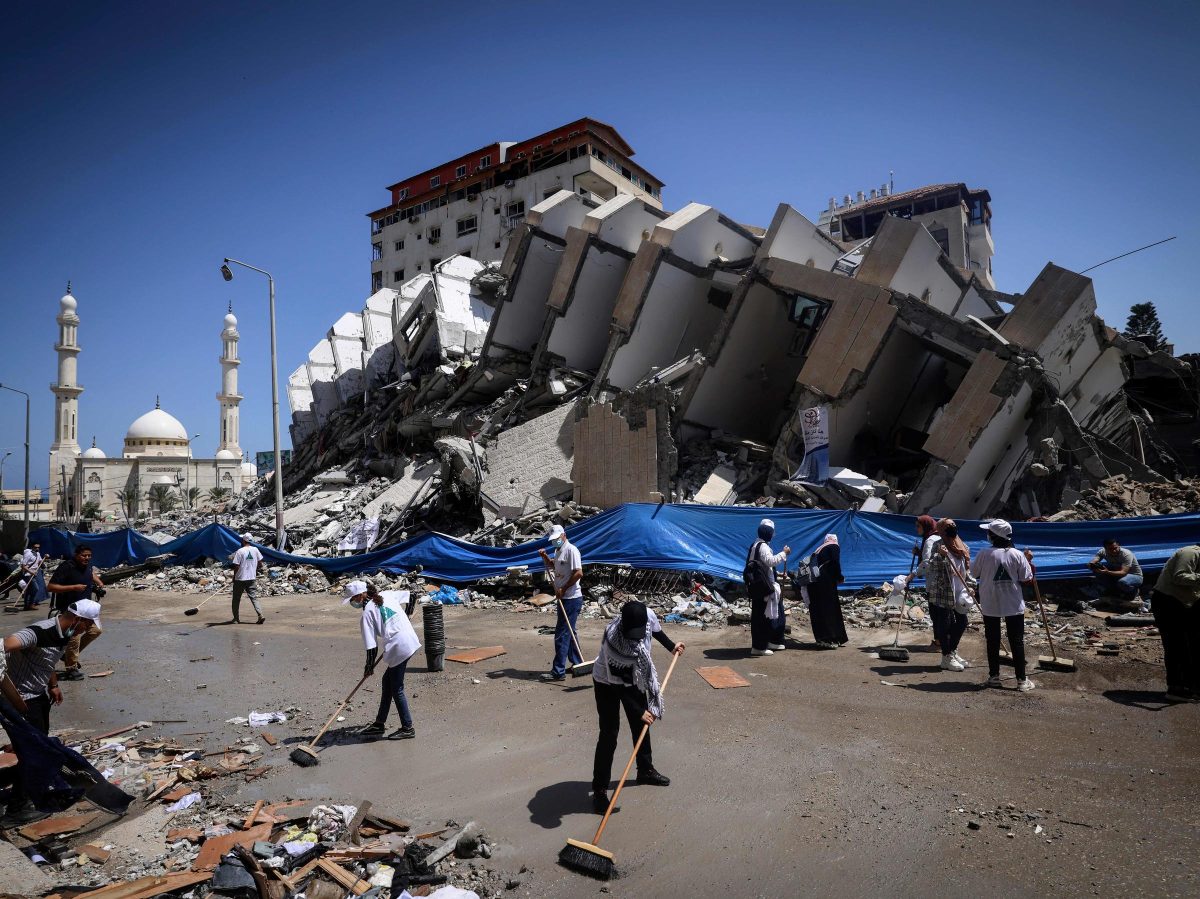
You turn left and see buses floating by. You turn right and see homes uprooted, livelihoods dragged away in dirty brown floodwater. The devastation is hard to process. The roads and bridges you rely on have been swallowed up.
> The worst part is that you’re separated from your son. The internet towers are down, and there are no working phones. All roads that lead to him are blocked off or underwater. You’re completely cut off from him.


Your fears grow. It’s been 24 hours since you last heard from him, and a lot has happened. He’s an adult now, but always your baby. Could he be holding on to a telephone pole, calling for you, somewhere out there?
“Why does the phone say ‘Sauce’?” your niece asks, holding it up. You stare until she points at the screen. “It says SOS instead of 5G.” You feel the weight of indecision pressing down—Why don’t we have water? Should we have left earlier? You push the thoughts away, but the thwap of a helicopter overhead distracts her. “Is that a helicopter?”
“Yes,” you say, “they’re here to help.” You’re trying to convince her—and yourself.
You remind yourself—Allah spared you and your home. You were lucky it wasn’t your house that washed away, though you still worry about those two trees, snapped and hanging, almost making your home inaccessible.
Your husband drives over 150 miles, navigating through thick fog, downed power lines, and fallen trees, desperate to find gas, power, or cell service. Eventually, you find a weak signal, just enough to exchange a text or two with your son. While you wait, you pray and worry. When you’re finally reunited with him, a weight lifts off your chest. It becomes a bit easier for you to breathe. You’re still on edge as you watch tempers flare—people jump medians, hoard fuel, and shout at each other. Rumors swirl of a port strike, sending people into a frenzy, buying up all the toilet paper.
After a few days with family, you have to return home. You don’t want to wear out your welcome. Plus, there are things to do—flush the toilets, clean out the fridge, take the garbage to the dump. There is still no water, no electricity, but at least now the SOS is gone and you have your phone.
Cryptic texts from Duke Energy trickle in—“no estimated time of repair.” Without power, it takes three gallons of water just to flush the toilet. The stores stopped selling gallon jugs of water days ago, and now you’re wasting bottle after bottle. They’re calling Hurricane Helene an unnatural disaster caused by global warming, and you can’t shake the feeling that all these plastic bottles are only making it worse.

“Mom, if this were the old days, I’d be dead from diabetes.”
Hunting for gas and groceries becomes routine, driving from store to store. Frustrated, you mutter aloud, Is this what it was like in the old days?
“Mom, if this were the old days, I’d be dead from diabetes,” your son interrupts. You’re just happy he’s alive, so you keep going. You remind yourself: whatever you need is out there—finding it has its challenges. You can’t afford to get caught up in the scarcity mindset.
With your family back together again, you can shift back to survival mode—filling out FEMA and EDIL applications, finding food, and keeping the children’s routine as normal as possible. First, you need to find a way to charge your laptop. In between all this, you still manage to squeeze in workouts. You refuse to let yourself get out of shape, even without a proper bath or hot food. Without electricity, you miss your favorite shows, carefully scrolling through social media, doing your best to dodge spoilers. At least you have something to look forward to.
One day, while out getting food and water, you get a flat tire. A kind lady with a #WNC Strong shirt tries to get help, but when the man in the big pickup truck covered in American flag bumper stickers sees it’s you, he honks, waves his hand, and drives off. This time, you’re certain it’s because you’re Black. Being Black means being vulnerable, always focusing on your survival, but times like this make it heavier.


Your husband buys a generator, though you can’t really afford it. When he pulls it out of the box, a piece snaps off. He manages to get it working by nightfall. The hum of the machine blends into the chorus of generators and the rhythmic blade-slapping of helicopters. You joke about being stuck in MASH*, but your husband reminds you, “The Korean War was worse.” Guilt seeps into your dreams, turning them into nightmares. You know you should be out volunteering, but taking guardianship of that little girl is all the charity you have left to give. It doesn’t feel adequate, but in the chaos, safety is the closest thing to an anchor—and right now, it has to be enough. You do other small things for your community when you can: share resources, check on people, and offer water to those who need it.
You hate the sound of the generator. It makes it hard to think, but you have to keep counting amps—30 here, 20 there—while also limiting the watts. You’re living inside a math problem. You still can’t use the microwave to warm up water, but at least the kids can charge their phones. They are relieved, but you can’t help wondering—Could the generator start a fire? These small comforts, you fear, might come at a dangerous price. Sure, you get to sleep in your own bed and watch a little TV, but when you turn it on, the death toll is slowly rising. In a small town like yours, you quickly learn it was your client’s dad who passed away at the fire station, or your neighbor’s cousin’s daughter’s friend who got washed away in the storm. Every loss feels personal.
If you’ve never been in a hurricane, you learn the hardest part is picking up the scattered pieces and trying to establish a new normal. The aftermath clings to you like the mud left behind from the flooding—thick, messy, and sticky. We are all vulnerable. But you’ve been given grace; you have your husband, your son, and your new daughter. You don’t even want to think about where she would be if not with you. You returned your niece to her mom safely. You don’t have to plan a funeral or search for a new place to live. Even in the chaos, one thing is clear: we still have each other.
The storm has been over for twelve days now—still no water or power. Helicopters buzz overhead, rushing to deliver supplies to those barely hanging on. You take comfort knowing they’re here to save lives for another day, but there are still no answers. You wonder—how much longer will this chaos last?
As we work to rebuild, I plan to share more in the coming days. In the meantime, please consider:


Comments (0)