
On gaming, addiction, paradigm shifts, and the conversations that happen when you stay in the room.
Easter was never supposed to be about first-person shooters.
But here we are.
I spent the day in the church kitchen—morning and evening, cooking, cleaning, taking home leftovers that would have fed a small army. It was good. The kind of good that comes from your hands being busy while your heart stays open.
Between services, I sat down for breakfast with Choice. He's 13. He's staying with me right now with his mom, Mary, after an eviction left them bouncing between cars and hotels. He's a good kid. Smart. Wary. The kind of 13-year-old who has learned not to trust too much.
His escape is gaming. First-person shooters, mostly. It drives his mom crazy. And I get it. I was an obsessive, addictive gamer at his age. I know what it is to disappear into a screen because the world outside is too loud, too unpredictable, too much.
But I also know something else now. Something I wish someone had told me at 13.
I listened to him talk about the game. The mechanics. The missions. The way he and his friends role-play as idiots on the internet, because that's what 13-year-olds do when no one is watching.
And then I said: "Can I give you my hot take?"
"Sure."
"I one hundred percent absolutely believe that most of those games are government and military propaganda. Designed to psychologically prime young people for a future draft."
He sat with that. Longer than I expected.
"That actually makes a whole lot of sense," he said.
"It's one of those things you can't unsee," I told him. "It's a scary thought rabbit hole to go down. But the more you think about it, the more it makes sense."
He played the same games that evening. I didn't expect him to stop. That's not how addiction or comfort or 13-year-old brains work. But something shifted. A seed planted. A paradigm cracked, just a little.
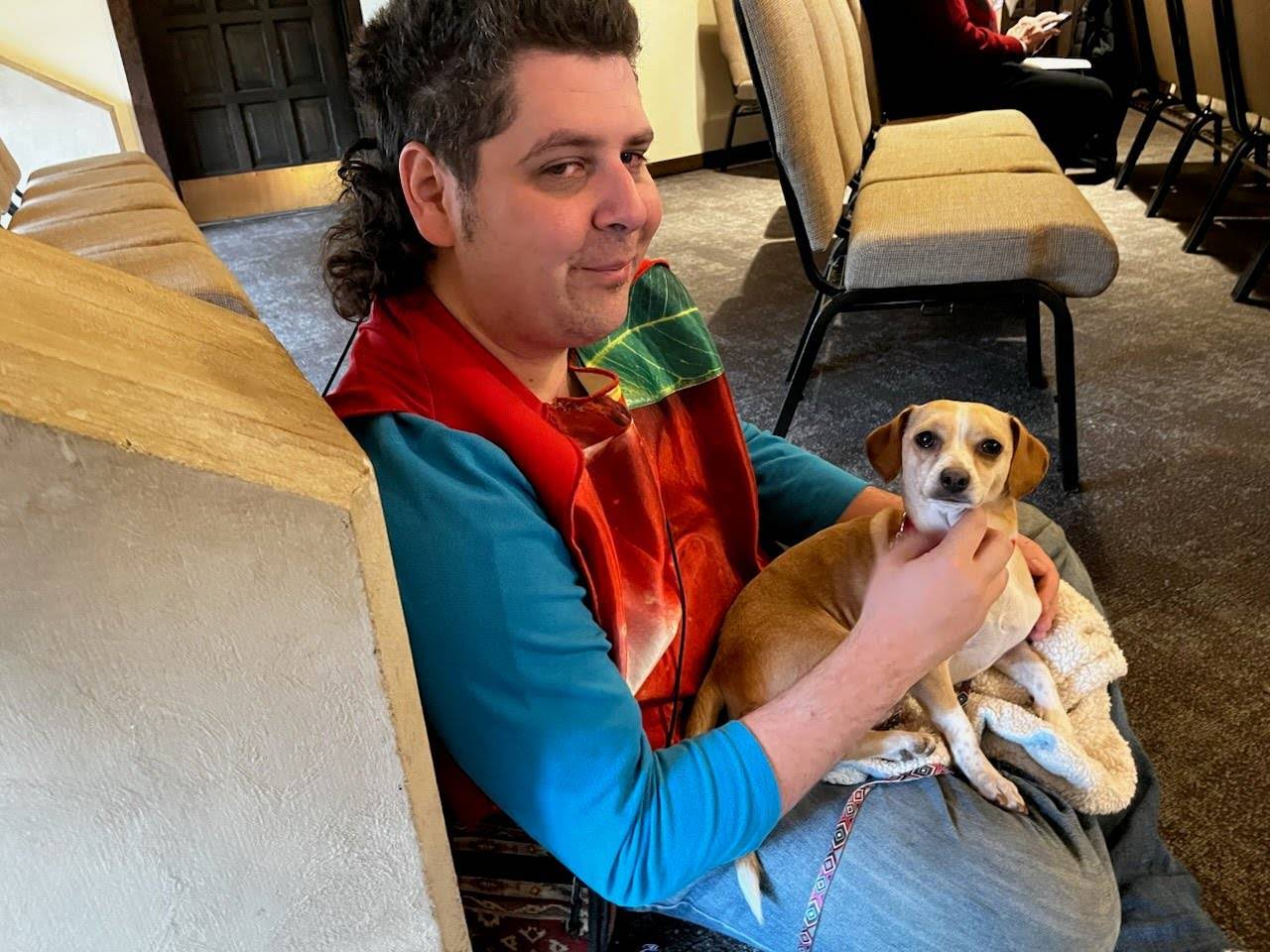
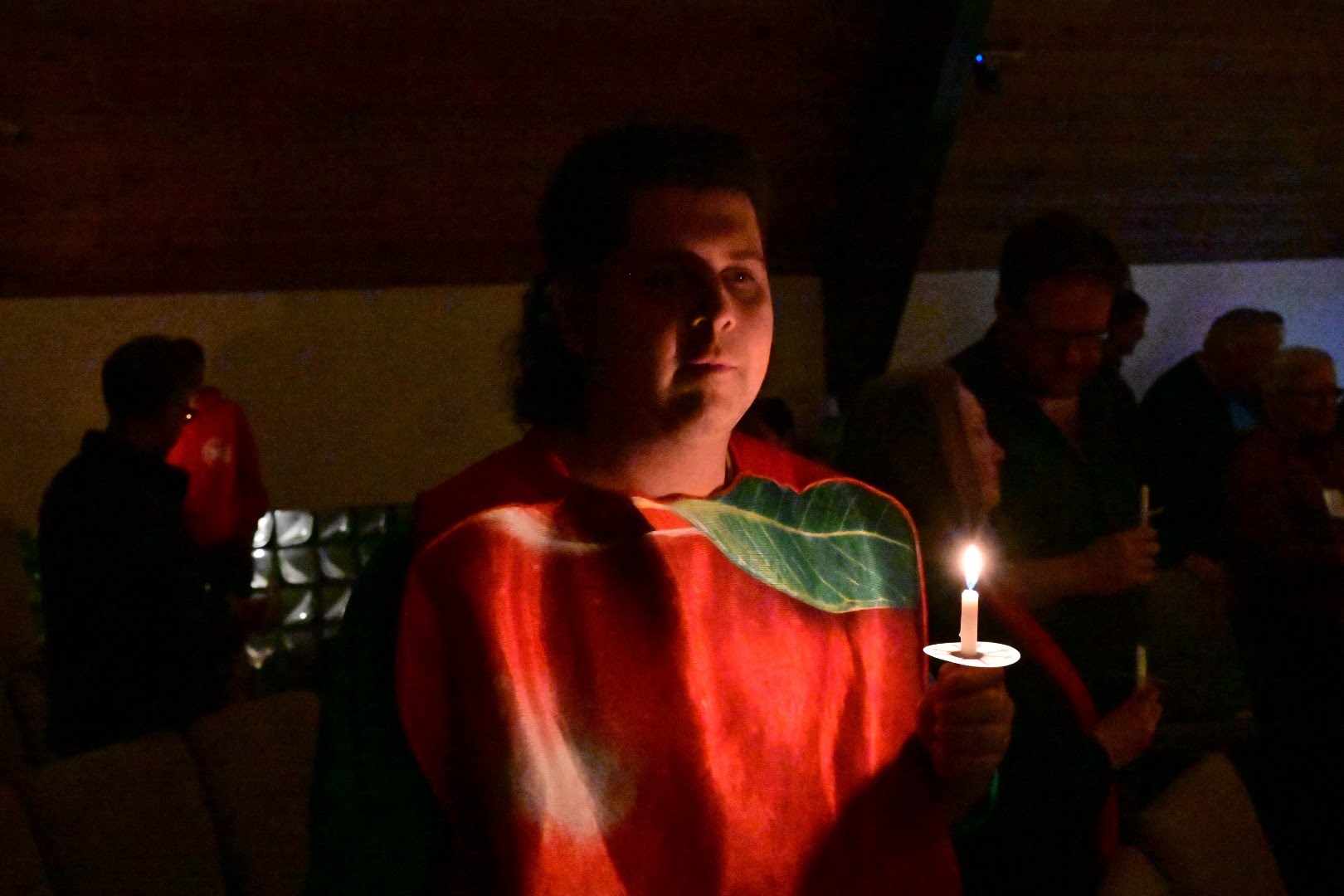
That night, at the Easter evening service, we had open sharing. Stories of transformation. I didn't plan to speak. But I found myself standing up, telling that same room of 60 people about breakfast with Choice, about military propaganda, about the slow work of planting seeds you might never see grow.
I didn't expect the reception. People cried. People shared their own stories—of kids lost to screens, of their own addictions, of moments when someone said something that changed everything even if it didn't change anything right away.
That's what I'm learning. Transformation doesn't look like a lightning bolt. It looks like breakfast. It looks like a hot take. It looks like a room full of tired people nodding because someone finally said the quiet part out loud.
So here's my question for you, reading this:
Who said something to you—once, years ago—that you can't unhear? Not because it was profound in the moment. But because it planted something that grew later, when you were ready?
Drop it in the comments. I read every one.
And if this kind of honest, messy, real-time documentation of a life matters to you:
Consider a one-time donation to keep me writing. Or schedule a free tech support consultation—I help people who feel like complications navigate their computers, their websites, and their digital lives.
Because the work of staying is not just spiritual. It's practical. It's rent. It's electricity. It's breakfast for a 13-year-old who needed someone to tell him the truth about his favorite video game.
Make a recurring or one-time pledge on Ko-Fi.
Schedule a free tech support consultation
This post is being shared through two church newsletters this week. If you're reading it there: thank you for being a community that lets me be real. I don't take it for granted.



Comments (1)